

Why is one corporate video quote lower than another? How to compare it line by line
Your company has just received two corporate video quotes for the same 3-minute introduction film, and one is far lower than the other. Procurement leans towards the cheaper one, while you still remember the last time you chose the low-cost option and got back a film that was not good enough to show in public. In reality, the total at the bottom of the page does not tell you which option makes more sense, because the two production companies may be quoting for two different films. This article walks through each line item so you can find the differences that really matter, and then decide whether those differences are acceptable.

In this article
- Two quotes can only be compared when they are based on the same brief
- The budget for each item depends on crew, shooting days and rounds of revisions
- Music, voiceover, on-screen talent and versions are the items most often left out of a quote
- The lower quote can still be the right choice
- Putting two quotes side by side: a 3-minute introduction film for a factory
- A single note about music can get a film blocked on YouTube right before a trade fair
- Checklist before choosing a quote
- Further reading
Start with the overview: Corporate film costs: why do quotes differ for the same running time?
Two quotes can only be compared when they are based on the same brief
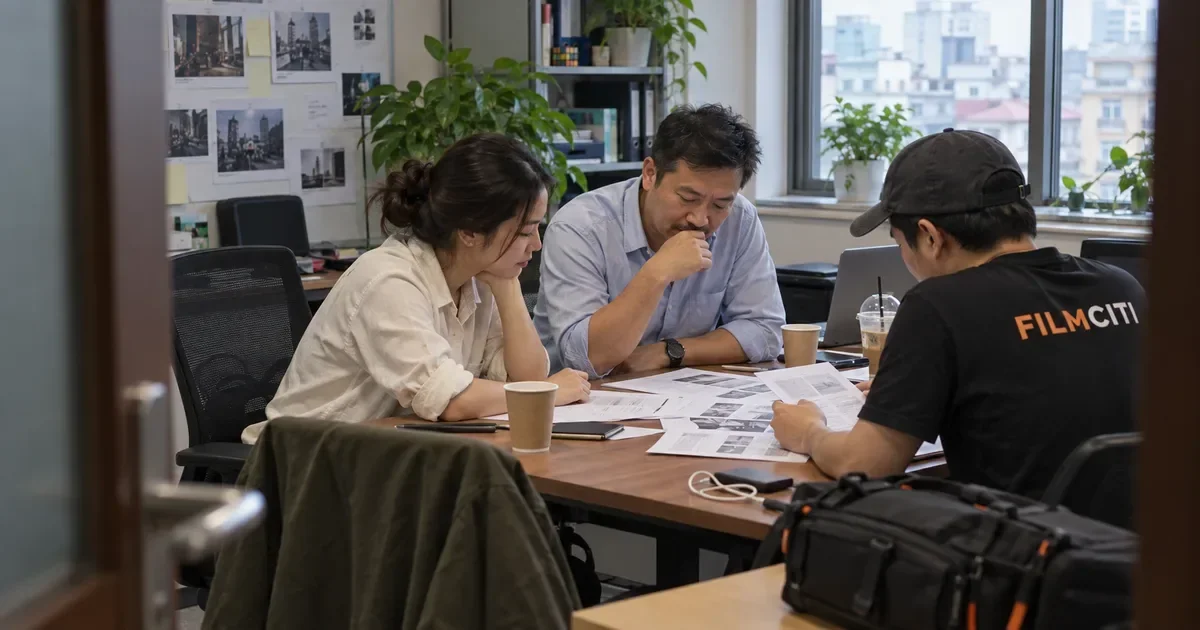
When each company has to guess the information missing from your request, you are really comparing two production plans, not two prices for the same film. A request such as "a 3-minute introduction film" still leaves a lot open: how many locations will be filmed, whether there will be an interview with the management, whether the people on screen are actors or employees, and how many versions need to be delivered.
The higher bidder may have priced two shooting days covering both the factory and the office. The lower bidder, meanwhile, may have priced a single shooting day and planned to edit in footage your company already has. Both calculations are reasonable according to how each company read the brief, so at this point most of the gap comes from the scope of work.
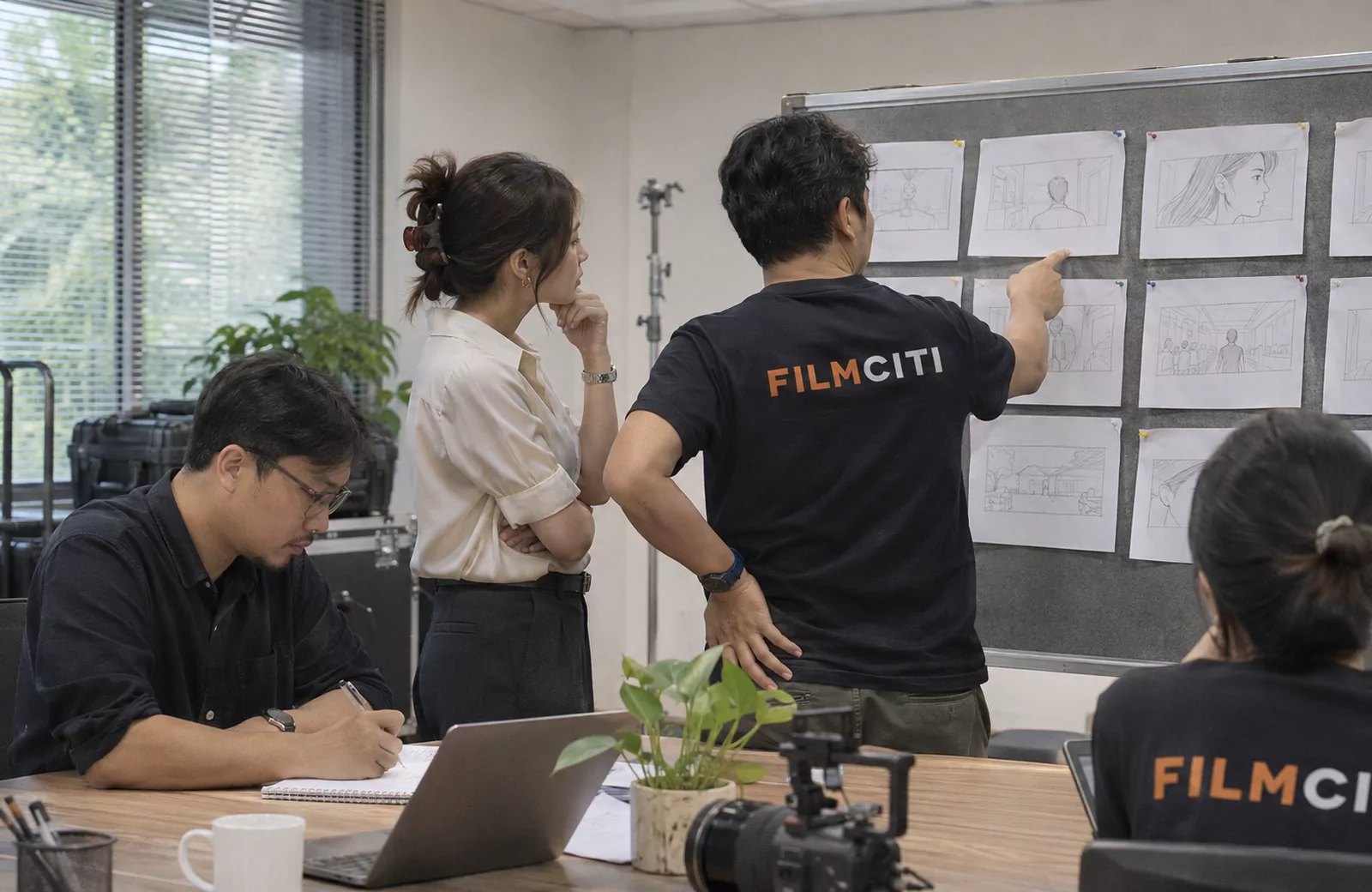
Before comparing, therefore, you should send every company the same brief, stating the purpose of the film, where it will be shown, the number of locations, who will appear on screen, the delivery date and the versions required. You should also ask each company to separate "included" and "not included" clearly in its quote. Once the scope is the same, the remaining gap reflects genuine differences in approach and in price.
The budget for each item depends on crew, shooting days and rounds of revisions
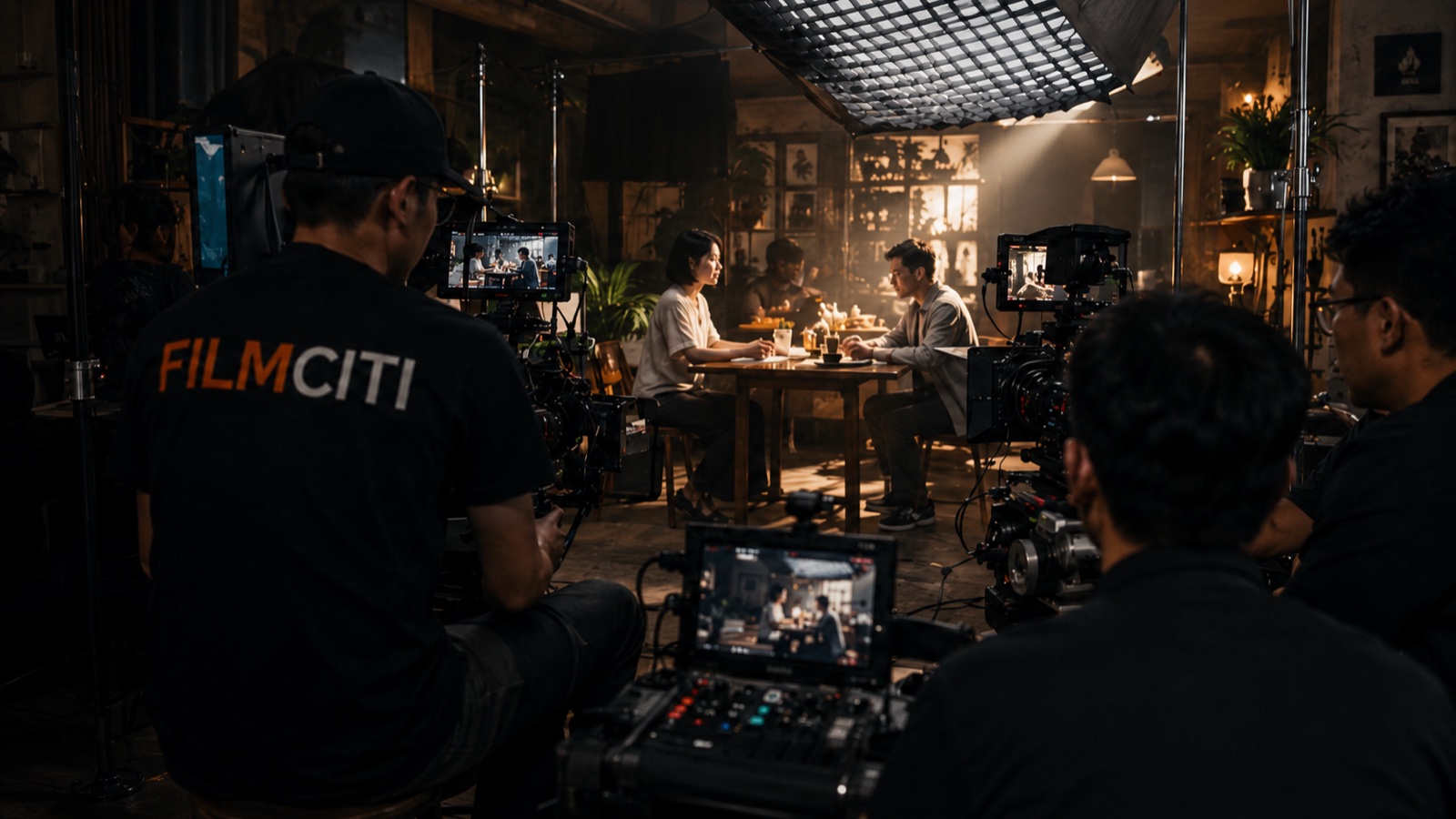
Most of the budget for a corporate film goes on specialist crew: scriptwriter, director, camera, lighting, sound, editor, colourist and motion graphics. Each role is charged per day or per task, then multiplied by the number of days that person needs to be there. The first three items you should compare are therefore the number of shooting days, the size of the crew on the shooting day, and the number of revision rounds after the first edit. The number of shooting days is also how production packages are tiered: according to Filmciti's pricing page, the starter package includes 1 shooting session, while the premium package includes 1–2 sessions plus 1 backup session, and KOL fees and filming outside Hanoi and Ho Chi Minh City are quoted separately. When comparing, mark every separately quoted item on both quotes, because these are usually where the totals diverge most.
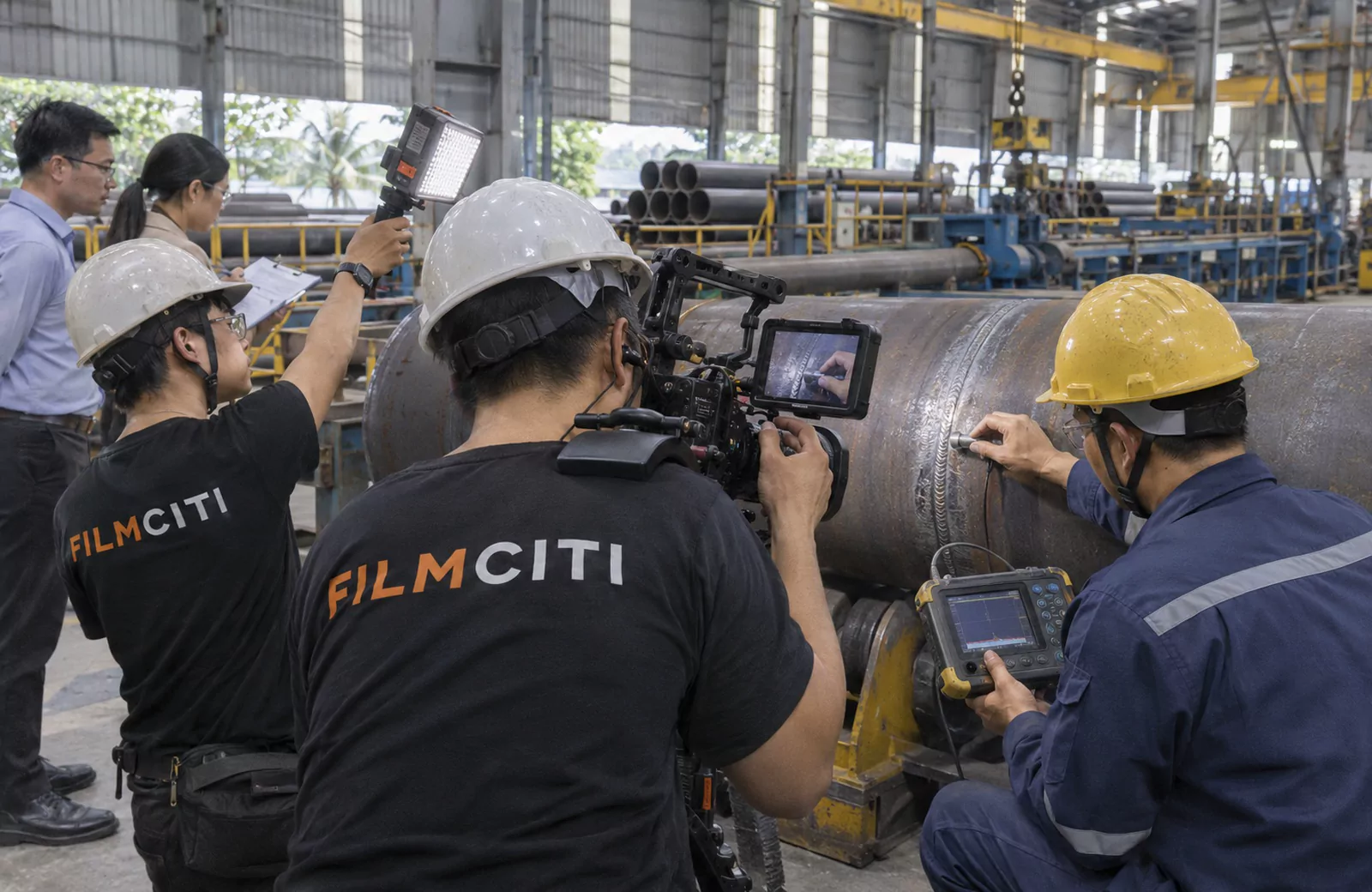
A crew of four can still film an interview in a meeting room very well. However, if on the same day the crew also has to film a running production line, fly a drone outside the plant and interview the director, a small crew will have to drop shots or add another day. The number of revision rounds deserves the same careful reading. The difference between a quote that says "2 rounds" and one that says "3 rounds" is whether the third round is already included or will be charged extra, and that round usually falls exactly when the management reviews the near-final cut. So when two quotes list the same number of rounds, ask each company to describe what one round covers, such as rewording a voiceover line, swapping a shot or reordering a section.
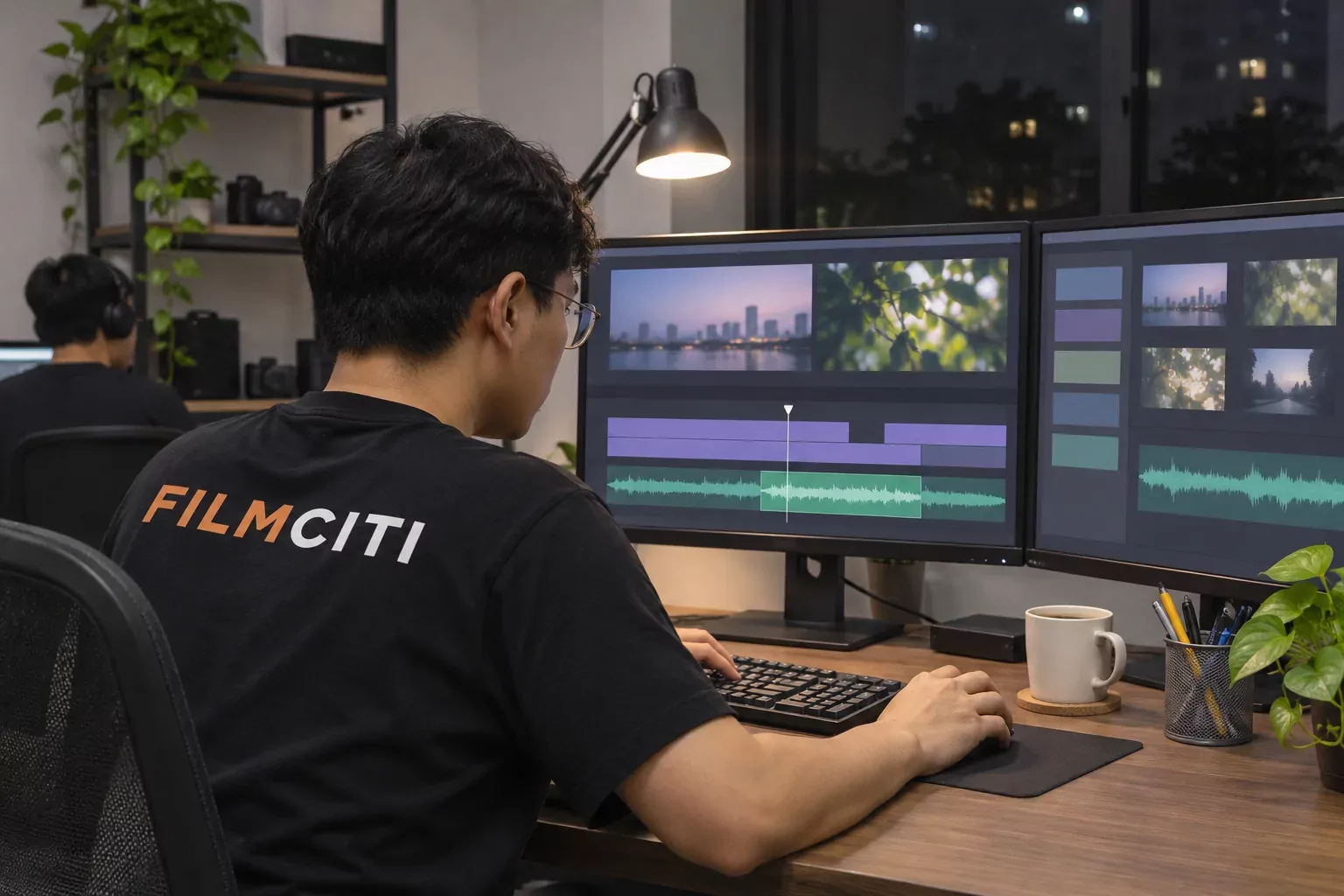
These items also depend on one another. With fewer shooting days, the edit has to make up the difference with existing footage or graphics; if that footage is of low quality, the new shots and the old ones will not look consistent.
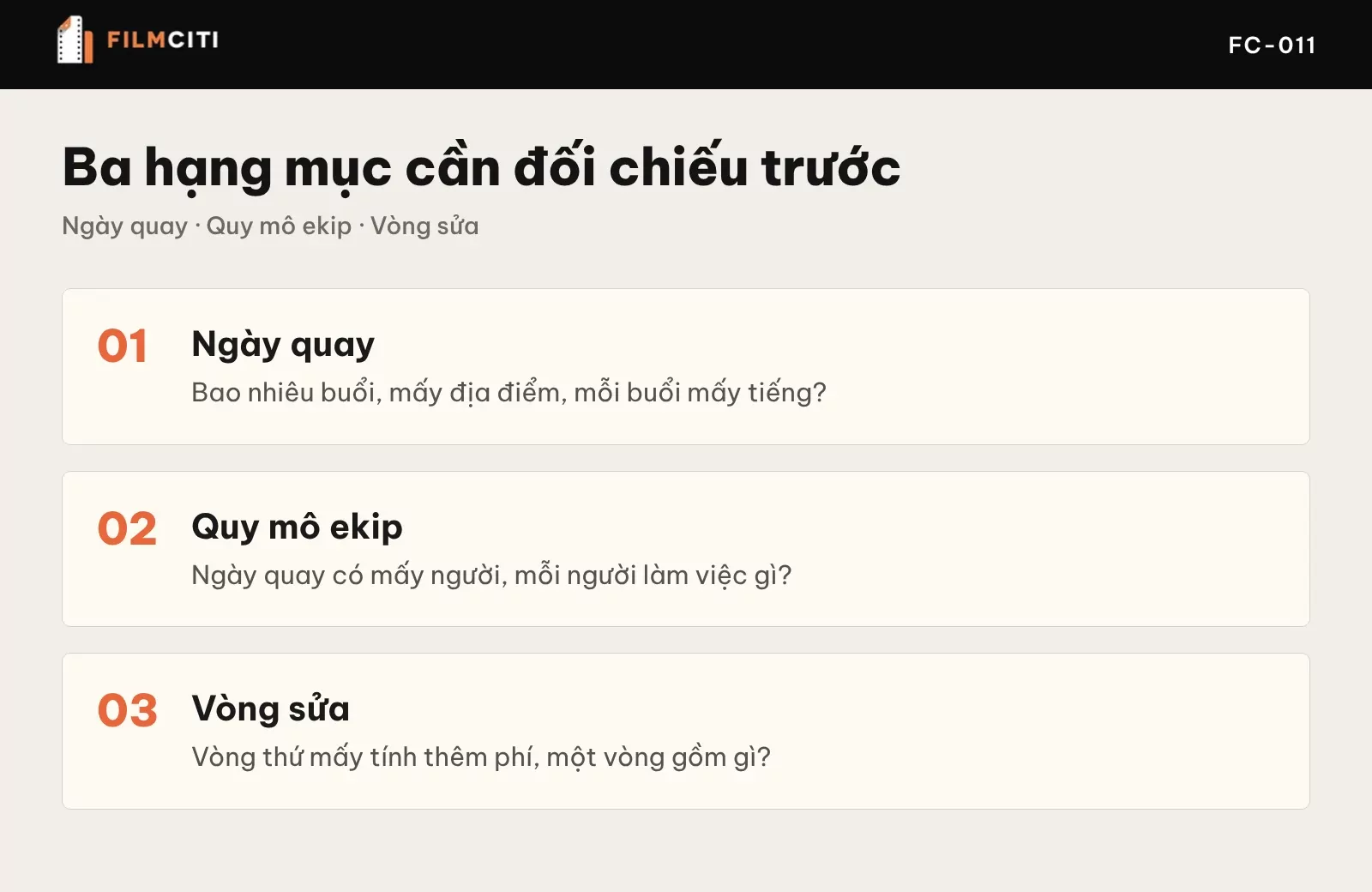
You can ask each company a few specific questions: how many people will be on set and what each of them does; how many hours a shooting day lasts; from which round revisions start to be charged; and what changes one "round of revisions" covers.
Music, voiceover, on-screen talent and versions are the items most often left out of a quote
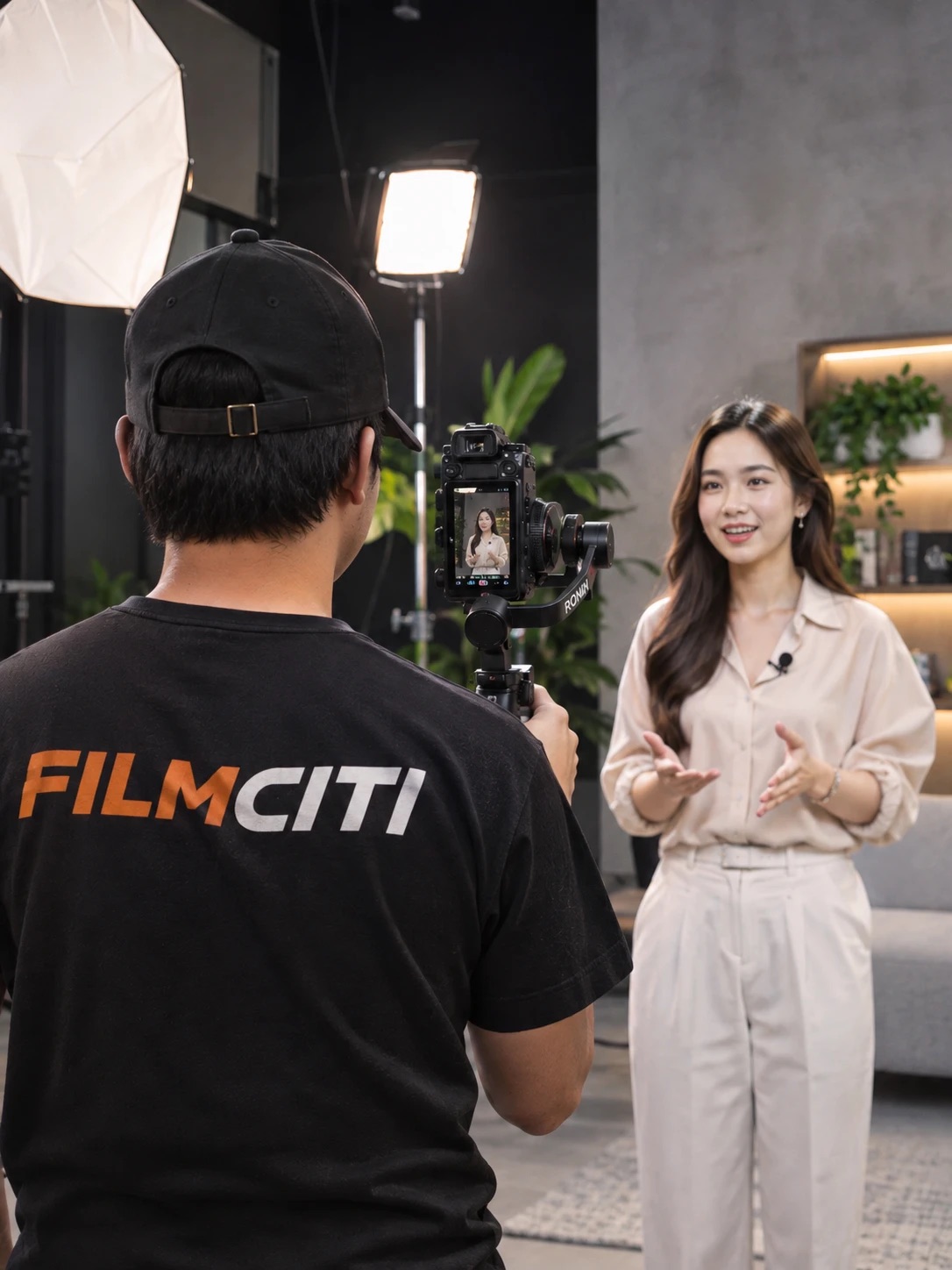
Music, voiceover, on-screen talent rights and deliverable versions do not change what you see when you review the edit, which is why they are easily overlooked until the film is actually put to use. The music in the edit may only be a temporary track used to set the rhythm, with no licence purchased yet. Actors and the voiceover artist may only have been paid for one channel for one year. On top of that, a 3-minute film does not automatically come with a 60-second cut for advertising or a vertical 9:16 version for the screen at your booth.
A quote that says "Music: provided by the client" is perfectly valid, as long as both sides have read and understood that line. Conversely, a quote without a music line is not necessarily missing something, because some companies use an annual library licence and include it in the editing cost.
You should therefore ask each company on which channels, and for how long, the music, voiceover and actors may be used. Then check the list of deliverable versions against every place the film will be shown, such as trade fairs, the website, social media or vertical screens.
The lower quote can still be the right choice
A lower quote still makes sense when your company already has clear content, the approver decides quickly, the existing footage is usable, or the film will only be shown internally. A small crew also has its own advantage, because it can move around a working factory more easily.
What you need to weigh is that your company will take on part of the work itself, including drafting content, checking figures, finding music and gathering footage. Mark on the quote the tasks your company has to handle, then decide who will be responsible and whether they can finish before the shooting day. The real cost of the project includes both the budget paid to the production company and the time of your own staff.
Putting two quotes side by side: a 3-minute introduction film for a factory
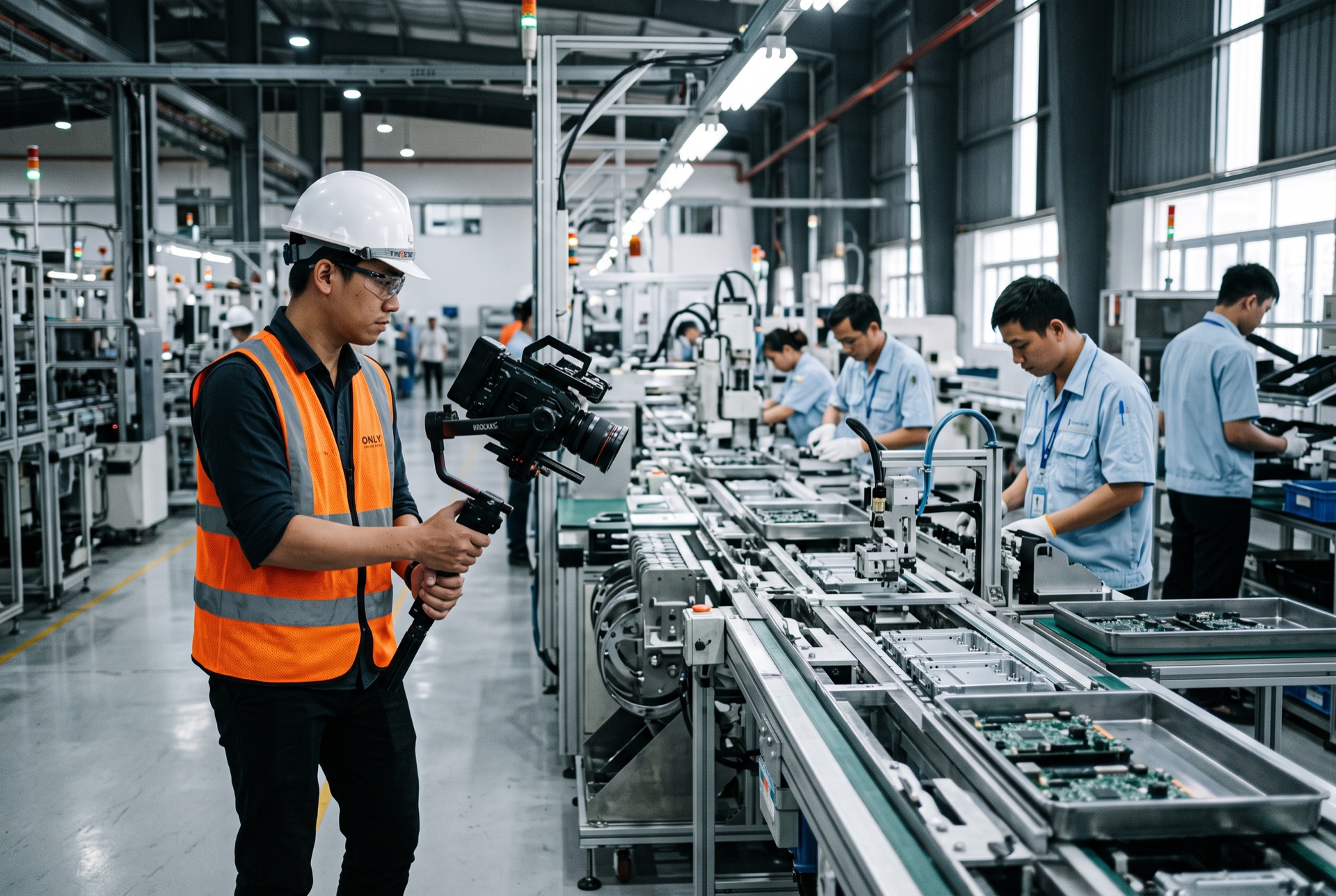
The brief: a packaging factory in Bắc Ninh needs a 3-minute introduction film to show at a trade fair and send to overseas partners. The company receives two quotes, and quote B is considerably lower than quote A. The table below sets each line of the two quotes side by side, to show whether a gap comes from the approach, the scope or lines that are still unclear.
| Item | Quote A | Quote B | Question to ask |
|---|---|---|---|
| Script | A scriptwriter writes it after one interview session | The client provides the content; the crew edits it into a voiceover | Who writes the first draft, and who is responsible when the content needs changing? |
| Shooting days | 2 days, at the factory and the office | 1 day at the factory | When and where will the management interview be filmed? |
| Crew on the day | 8 people, with a dedicated sound recordist and a drone | 4 people, no drone item listed | What equipment records the interview sound? Does the drone have a flight permit? |
| Music | Licensed music, usable on all channels | Provided by the client | What happens if the company does not have music yet? |
| Revision rounds | 3 rounds | 2 rounds | How is a third round charged? |
| Delivery | 3-minute version, 60-second version and vertical 9:16 version | One 3-minute landscape version | Which versions do the trade fair and social media need? |
The differences in the table fall into three groups. The first group is a different approach towards the same result, such as the script: if the company already has clear content, letting the crew edit the voiceover is perfectly acceptable. The second group is a difference in scope, such as the office shooting day or the 60-second version; if you need these items, ask company B for an additional quote and compare again. The third group covers unclear items such as music and the drone, which you need to clarify before signing the contract. This grouping lets you show management or procurement which part of the gap comes from the approach and which from the scope, instead of comparing the totals alone, which says little about what each company will actually deliver.
A complication: the company has chosen quote B, but a week before the shoot the director wants an extra 60-second version to play on a vertical screen at the booth. There are three ways to handle this:
- Ask company B for an additional quote straight away, before the shooting day. The crew can capture vertical and short shots during the shoot itself, so the extra cost is lowest; in return, the total budget rises and may come close to quote A.
- Cut a 60-second version from the 3-minute film after the edit is finished. This needs no extra shooting day, but the short version can only use existing shots, and landscape footage may not suit a vertical screen.
- Send the new scope to both A and B and compare again. The company loses a few more days with only a week left before the shoot, so the schedule may have to move; in return, both quotes are now based on the same brief.
A single note about music can get a film blocked on YouTube right before a trade fair
Mr Long, director of a packaging plant in Bắc Ninh, needs a 3-minute introduction film before a trade fair on the 20th. That month the plant is running three shifts to meet Tết orders, so he approves the quote on his phone between two meetings: "This one is cheaper, the content looks about the same, let's go with it."
The edit arrives at 10 p.m., its driving soundtrack locked perfectly to the rhythm of the printing machines. He watches it twice and replies: "OK. Approved."
On the 15th, he uploads the film to YouTube to send the link to a Korean partner. The next morning the partner writes back: "The video is not available in our country." YouTube Studio shows a copyright claim: the background track belongs to a foreign record label, and the owner has blocked the video in several countries.
He calls the crew: "Just swap the music for me, it's a small fix." The crew opens the quote and points to the small print at the bottom of the page: "Music: provided by the client." The track in the edit was only a temporary one used to set the rhythm while waiting for the client to send the final music.
Changing the music is not just a matter of dropping in a new file. The film was cut to the beat of the old track, with every printing-machine shot landing on a drum hit, so a new track means re-cutting the rhythm of almost the entire film, remixing the voiceover and paying for a new licence. By then there are only four days left before the fair, in the very week the crew is booked to shoot another project.
Mr Long chose the quote by its total without reading the "not included" section, which is entirely understandable in the middle of peak season. The production crew slipped at the handover stage: when sending the edit, it did not remind him of the music note, and it still exported the final version while the temporary music was in place.
What Mr Long and the crew needed to ask each other as soon as the quote arrived was: "What music is in the film, who pays for the licence, and on which channels will the film be used?"
The story above is a hypothetical scenario, reconstructed from situations that commonly happen in corporate filmmaking.
With the Filmciti crew, we state the music source and usage scope in the quote itself, then repeat it in the email that delivers the first edit: whether the track is temporary or already licensed, and on which channels it may be published. Our editors cut the film's rhythm only on a track both sides have agreed, so the final version is not hit by a copyright claim just because a temporary track was forgotten.
Checklist before choosing a quote
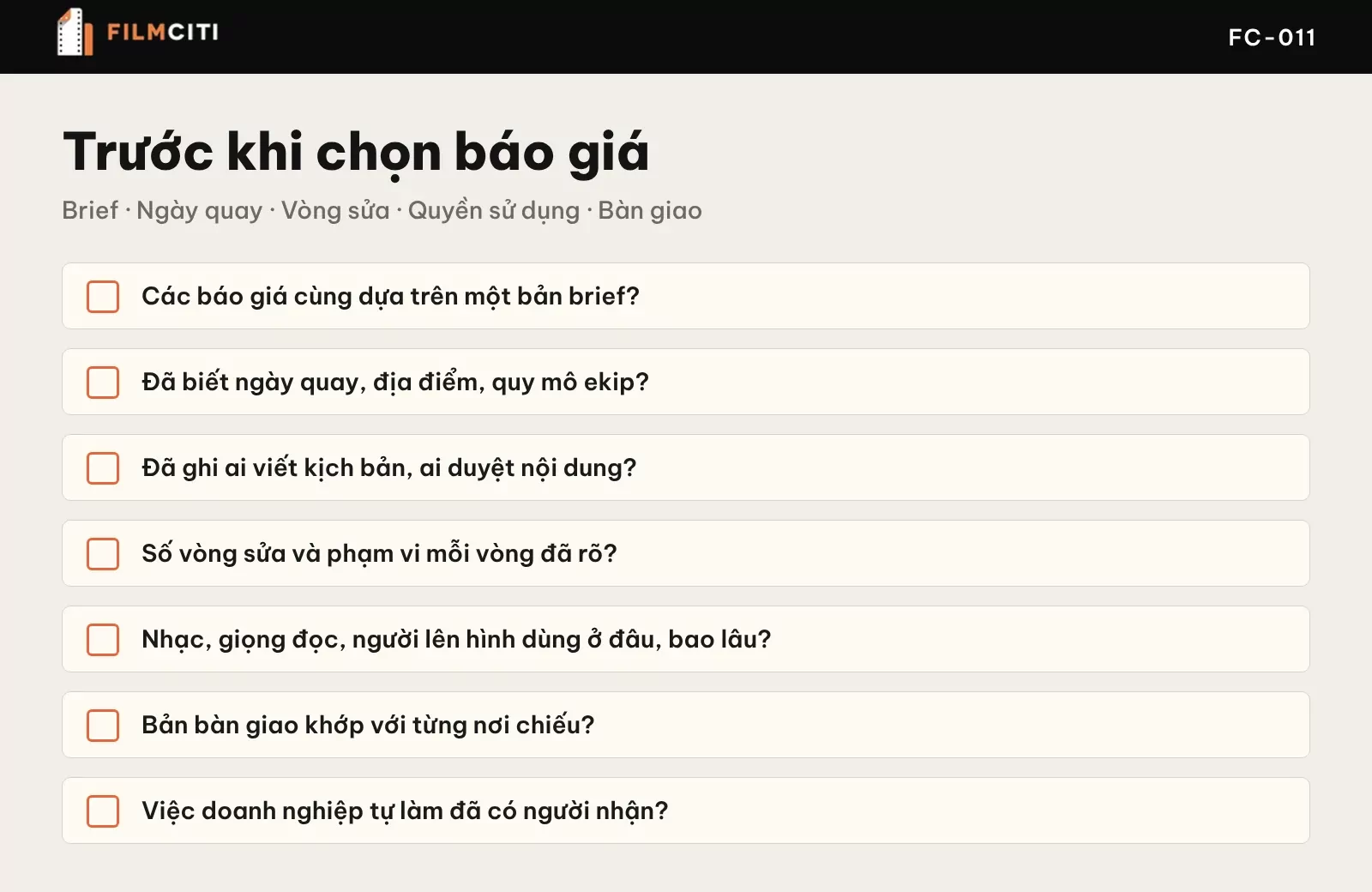
- Are all the quotes based on the same brief?
- Do you know the number of shooting days, locations and crew size for each company?
- Does each quote state who writes the script and who approves the content?
- Are the number of revision rounds and the scope of each round stated clearly?
- Does each quote state on which channels, and for how long, the music, voiceover and on-screen talent may be used?
- Do the deliverable versions match every place the film will be shown?
- Is someone responsible for each task your company has to handle itself?
You should ask again when a quote has only a single "all-inclusive" line with no "not included" section, or when an item says "at actual cost" without explaining how the actual cost is calculated.
Download the Quote comparison sheet by line item — Vietnamese template to put two quotes in the same frame, note the follow-up question for each line and run the checklist before choosing.
Further reading
- Filmciti corporate film production: film types, process and how we work.
- The production packages Filmciti publishes on its pricing page, useful as a reference point when reading a quote.
- What corporate film production costs include and how to plan the budget
If you would like another option to set beside the quote you already have, send Filmciti a brief with the film length, where it will be shown, the number of locations, who will appear on screen and the versions to be delivered. A Filmciti producer will build an option within exactly that framework so you can compare item by item.
Related service: Corporate film production
FAQ
Not necessarily. First, check whether the two quotes cover the same scope. If the scope is the same and the prices still differ, ask more about the crew size, the equipment and who the main camera operator is, and ask to see films they have made in similar conditions.
You do not need to share the quote itself. Instead, send the brief and the agreed list of items so that each company re-quotes within the same framework. That way you can still compare, without the conversation turning into a haggling session.
Extra costs usually come from changes made after the scope has been agreed, such as adding a location, adding a version, changing the content after the voiceover has been recorded, or replacing someone on screen. Ask in advance how each type of change is charged and have it written into the quote.